Autumn Courses
We are currently offering the following courses for the Autumn Term 2026.
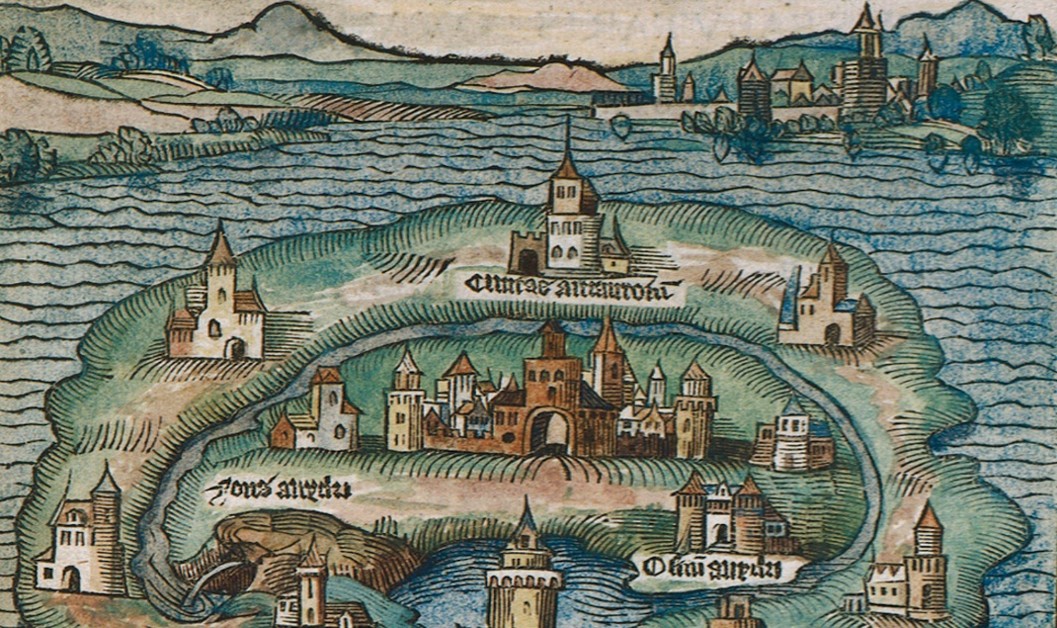
Philosophy: The Big Questions
Each week we will be discussing big questions such as – Is Utopia a Good Idea? Or Should we Desire Immortality? Our good-natured lively discussions will be guided by philosopher Dr Brandon Robshaw
Tuesdays – 8th September to 13th October (No class 15th September) (5 Sessions)
10am – 12am Enfield Baptist Church
Tutor – Brandon Robshaw – Cost £90
Course Outline
In this fascinating 5-week course philosopher Dr Brandon Robshaw will be guiding us through some of the big questions. Such as: Can AI Think and Feel -or could it do so one day? Would being immortal be as appealing as we might think? Are our morals objective -or just a matter of personal or local opinion? Is Utopia a good idea and achievable? Do societies make progress?
There will be plenty of lively (but always good-natured) discussion; and since we cannot live by philosophy alone, tea and biscuits too.
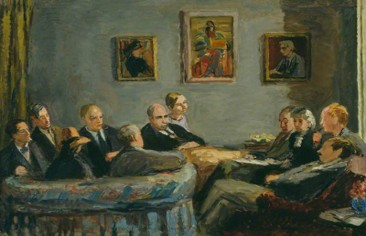
Art Appreciation – Bloomsbury: Modernism & Myths
The course examines the motivations, work, contributions and influence of artists within the Bloomsbury Circle by looking at some of the works of Vanessa Bell, Roger Fry, Duncan Grant, Dora Carrington and Mark Gertler.
Thursdays – 10th September to 15th October (No class 24th September) (5 Sessions)
10.30 am – 12.30pm Enfield Baptist Church
Tutor – Chantal Condron – Cost £90
Course Outline
Coinciding with a new major exhibition of works by Vanessa Bell and Duncan Grant at Tate Britain in the autumn, this course re-examines the motivations, work and contribution of both artists to the Bloomsbury circle, alongside the work of Roger Fry, Dora Carrington and Mark Gertler. How far did these artists develop modernism in Britain and what was the lasting influence of their work in the later 20th Century?
Click here to email us to book this course
or email to learn@eslifelonglearning.co.uk quoting the course title
please check your junk for our response as we are finding that some people have found it going into the junk folder.
Enfield and the Industrial Revolution
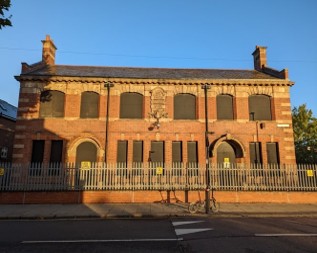
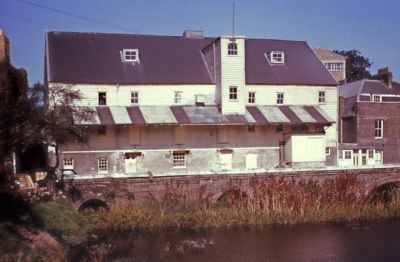
By the End or the 19th Century Britain’s Industrial revolution was transforming the country. Enfield played an important role in this revolution with good road and rail links to London. Factories, mills, pumping stations, gas works, electrical industries and armaments industries all thrived in Enfield. This course will explore some of these industries and their impact upon Enfield and the London Markets.
Fridays – 11th September to 16th October – (6 Sessions)
10 am – 12 pm Enfield Baptist Church
Tutor – George O’Reilly – Cost £108
Course Outline
By the second half of the nineteenth century Britain’s industrial revolution was transforming the country. Powered by coal and steam, the nation’s factories, mills, foundries and potteries had made Britain the ‘workshop of the world.’
While the industrial revolution had begun in the towns and cities of the north and the midlands, London had an important role to play also, as did Enfield. Enfield did not have coal mines or steel works but it was situated in the Lea Valley, with access to the River Lea and the River Thames, with good road and rail connections and with London close by as a market for goods.
Enfield had many other features of an industrial centre, especially in the north and east of the borough, and these will be the subject of our course – factories, mills, pumping stations, gas works, brick making fields, an armaments industry and later, extensive technology and electrical industries, and a power station. And Enfield’s market garden industries also played an important part in feeding a rapidly growing population.
Classes are interactive with plenty of discussion and question and answer. Reading and research beyond the classroom are encouraged and can be shared in classes.
Click here to email us to book this course
or email to learn@eslifelonglearning.co.uk quoting the course title
please check your junk for our response as we are finding that some people have found it going into the junk folder.
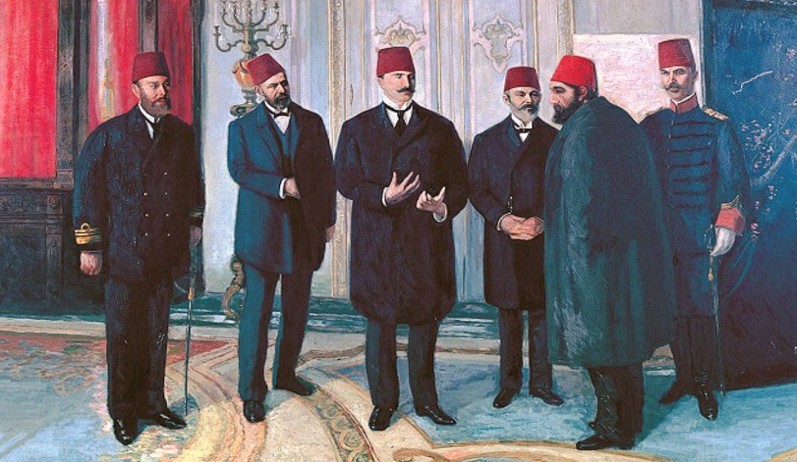
The Ottoman Empire – Crisis, Revolution & Collapse 1896-1914
We will explore the mounting challenges faced by the Ottoman State at the end of the 19th Century and Early 20th Century which led to the collapse of the Ottoman Empire. Using contemporary accounts and materials we will understand the internal and external pressures the Ottoman State faced and the long-term impact of the Ottoman collapse on the modern world.
Tuesdays – 20th October to 24th November – (6 Sessions)
10.30 am – 12.30 pm Enfield Baptist Church
Tutor – Laurie Johnston – Cost £108
Course Outline
This 6-session course explores the final decades of the Ottoman Empire before the First World War. Once one of the world’s great imperial powers, the Ottoman State faced mounting challenges from nationalism, foreign intervention, economic pressures and demands for reform. Beginning with the reign of Sultan Abdulhamid III and the Armenian crisis of the 1890s, we will examine the rise of the Young Turk Movement, the revolution of 1908, the empire’s complex ethnic and religious diversity and the growing influence of European powers. The course concludes with the Balkan Wars and the Ottoman Empire’s precarious position on the eve of the First World War.
Through contemporary accounts, political cartoons, photographs and historical analysis, participants will explore how the Ottoman Empire struggles to adapt to the modern world and why its fate remains central to understanding the history of the modern Middle East, The Balkans and Europe
Click here to email us to book this course
or email to learn@eslifelonglearning.co.uk quoting the course title
please check your junk for our response as we are finding that some people have found it going into the junk folder.
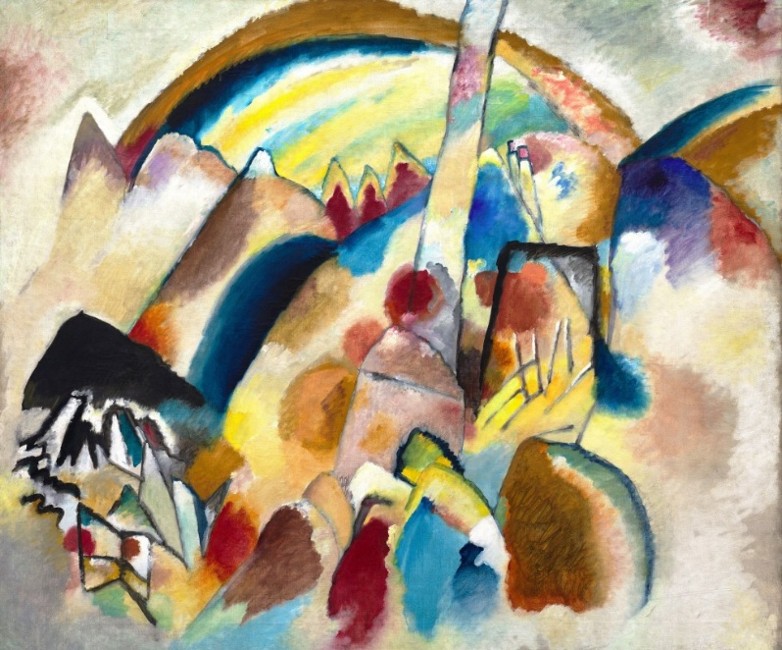
Peggy Guggenheim: An Eye in Time
Peggy Guggenheim is one of the most exciting and prominent female patron and curator of the modernist movement in Europe and Americas in the Twentieth Century helping to shape the lives and careers of many artists including Max Ernst, Kandinsky and Pollock.
Thursdays – 12th November to 10th December (no class 26th November) – (4 Sessions)
10.30 am – 12.30 pm Enfield Baptist Church
Tutor – Chantal Condron – Cost £72
Course Outline
American-born patron and curator once said ‘I am not an art collector; I am a museum’. One of the most exciting and prominent female figures of the modernist movement in Europe and America, Guggenheim helped to shape the lives and careers of numerous artists including Wassily Kandinsky, Max Ernst and Jackson Pollock. On this course we discover and evaluate her influence both as a collector and as a curator in London, New York and Venice. This course will provide an excellent contact to the Royal Academy’s winter exhibition Peggy Guggenheim in London.
Click here to email us to book this course
or email to learn@eslifelonglearning.co.uk quoting the course title
please check your junk for our response as we are finding that some people have found it going into the junk folder.
Please note that when signing up for your first ESLL course you will have to pay a membership fee of £8, which is renewed annually in August. This will be added onto the cost of the first course you book.